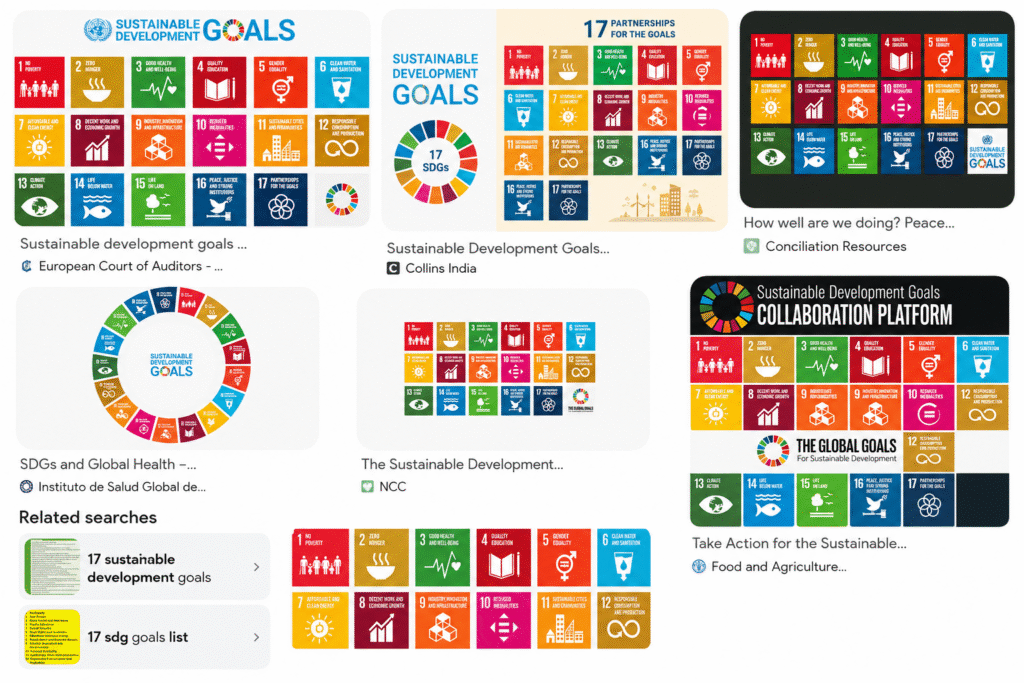
For years, we have treated the Sustainable Development Goals (SDGs) as a “Reporting Requirement” for the UN, a decorative chapter in our annual reports.
But in the current global economic climate, SDGs are not a “Goal”; they are a de-risking strategy for our local councils.
In my experience across the 384 Regional and Local Authorities of Cameroon, I have realized that “localization” isn’t about teaching citizens 17 icons. It is about service
delivery in a resilient manner.
SDG 11 (Urbanization) is Asset Management. When a Mayor enforces building codes in a flood-prone area, they aren’t just hitting a “Green Goal.” They are protecting the Council’s future balance sheet from the catastrophic costs of disaster recovery.
SDG 16 (Governance) is the ROI of Stability:
A “socially cohesive” municipality-one that integrates IDPs and prioritizes inclusive dialogue-is a Bankable Municipality. Investors don’t put money where there is social friction. Peace is our most valuable economic asset.
SDG 17 (Partnership) should be viewed as the Exit Strategy from Aid. The synergy between our local institutions and partners like the World Bank must move from “Grant-seeking” to “market-building.” We don’t need “projects”; we need “Slsystems.”
The “Localization Gap” in Cameroon isn’t a lack of awareness; it’s a coding problem. We are doing the work of the 2030 Agenda every day, but we aren’t “coding” our municipal budgets to reflect these global targets. If we don’t measure it at the Council level, we can’t manage it at the national level.
Stop Reporting on SDGs. Start Budgeting for them.